Tech

Insights, Tech

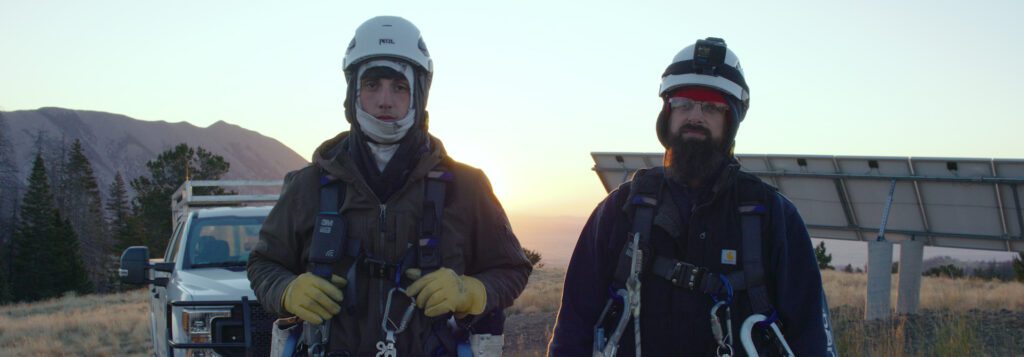
What It Takes to Be a Cell Site Tower Climber

Climbing Higher to Keep You Connected When you make a call, stream a video, or check your GPS, you’re relying on a massive, invisible infrastructure that keeps you connected. Behind the scenes—and hundreds of feet in the air—are the men and women who make that connection possible: cell site tower climbers. This is not your average 9-to-5 job. It’s a career that requires skill, strength, and serious guts.   The Role: More Than Just Climbing Cell tower climbers are responsible for installing, maintaining, and repairing the antennas and equipment that power wireless communication networks. Their work directly supports everything from emergency 911 calls to streaming your favorite show. Typical tasks include: Installing antennas, radios, and fiber connections Running cables and securing hardware Diagnosing and fixing technical issues at the top of towers Upgrading equipment for faster, more reliable service (like 5G) Documenting site conditions and maintenance The Climb: Physical and Mental Demands Most towers range from 100 to 600 feet tall or higher. That means climbers must be in excellent physical condition—but that’s only half the story. They also need to be mentally sharp, calm under pressure, and laser-focused on safety.   Key traits of a successful tower climber: Fearless, but safety-first: You can’t be reckless or scared of heights. Safety is always the top priority. Technically skilled: Climbing is just the beginning—you also need to know your tech. Team-oriented: Most work is done in small crews that depend on each other for safety and success. Detail-driven: One mistake can cost lives or disrupt service. Precision matters. Training & Certification You don’t become a tower climber overnight. While some climbers start with a background in construction or electrical work, specialized training is essential. Reputable companies like Viaero Wireless and Industrial West Tower often provide in-house training or require certifications such as: OSHA 10/30: Occupational safety training RF Awareness: Understanding radio frequency hazards Tower Rescue and Climbing Safety: Including fall protection techniques CPR/First Aid Hands-on experience is critical—and usually the fastest path to growth in the field. The Reward: Purpose & Payoff Tower climbing is not for everyone, but for those who choose this path, it offers a deep sense of purpose and often competitive pay, especially as demand for faster networks like 5G grows. Many climbers say the view alone—standing on top of the world—makes it worth it.  It’s an office with a view. Final Thoughts Cell tower climbers are the unsung heroes of our modern world. They rise—literally—to the challenge so the rest of us can stay connected wherever we are. It’s a job that combines adrenaline, technology, and impact in a way few others can.   Thinking of Becoming a Tower Climber?Make sure you’re ready for the climb—and the responsibility that comes with it. Because in this line of work, every step matters. Do you have what it takes?  Please consider Viaero Wireless and Industrial West Tower to take your career to the next level. 

Tech

Debunking the Top 10 Myths About Fiber Optic Internet

Fiber optic internet has revolutionized the way we connect and communicate, yet there are still many myths and misconceptions surrounding this technology. Let’s debunk the top 10 myths about fiber optic internet: Myth: Fiber Optic Internet is Expensive Reality: While fiber optic infrastructure may have higher initial installation costs, fiber internet service itself is often competitively priced and offers better value due to its reliability and high speeds. Myth: Fiber is Only for Large Businesses Reality: Fiber optic internet is suitable for businesses of all sizes, from small startups to large enterprises. It offers scalable solutions that can adapt to the needs of any business. Myth: Fiber is Prone to Service Outages Reality: Fiber optic cables are less susceptible to service interruptions caused by weather conditions or electrical interference compared to traditional copper cables, making fiber internet more reliable. Myth: Fiber is Limited to Urban Areas Reality: Fiber optic networks are expanding rapidly, reaching rural areas as well. Many providers are investing in fiber infrastructure to bridge the digital divide and provide high-speed internet to underserved communities. Myth: Fiber is Vulnerable to Damage Reality: Fiber optic cables are durable and resistant to environmental factors such as water, heat, and electromagnetic interference when installed underground. Buried fiber is protected by conduits to minimize the risk of damage. Myth: Fiber is Complex to Install Reality: While the initial installation of fiber optic infrastructure requires expertise, once in place, fiber internet connections are straightforward to set up and maintain. Myth: Fiber is Only for Internet Reality: Fiber optic networks support a wide range of services, including voice (VoIP), video streaming, cloud computing, and more. Fiber enables a seamless and efficient communication ecosystem. Myth: Fiber is Not Secure Reality: Fiber optic transmissions are highly secure due to their low susceptibility to eavesdropping or hacking. Encrypted data over fiber lines adds an extra layer of security. Myth: Fiber is Not Widely Available Reality: Fiber optic networks are continuously expanding, with many providers offering fiber internet services in various regions. Availability may vary, but the trend is toward increased coverage. Myth: Fiber is Not Worth the Investment Reality: The long-term benefits of fiber optic internet, such as faster speeds, lower latency, reliability, scalability, and futureproofing, far outweigh the initial investment. Fiber is a valuable asset for businesses and individuals and can increase your property values. By debunking these myths, we aim to promote a better understanding of fiber optic internet and highlight its numerous advantages in today’s digital landscape.

Tech

Choosing the Right Internet Speed for Your Family: What You Need to Know

In today’s connected world, fast, reliable internet isn’t a luxury—it’s a necessity. From streaming and gaming to working and learning from home, your family depends on strong internet every day. But with so many speed options available, how do you know what’s right for your household? Let’s break it down in simple terms so you can make a confident decision that fits your family’s needs, your lifestyle, and your local options. Start with How Your Family Uses the Internet Every household is different. The “right speed” depends on what you use the internet for—and how many people are using it at once. Ask yourself: Do you stream in HD or 4K? Are multiple people online at the same time? Do you have gamers or remote workers in the house? Are smart devices (like thermostats or security cameras) connected to your network? Do you have a home business? Here’s a rough guideline: Activity Minimum Speed (Per Device) Web browsing, email 1–5 Mbps HD video streaming 5–10 Mbps 4K video streaming 25 Mbps Online gaming 10–25 Mbps Video calls (Zoom, Teams) 5–10 Mbps Smart Home devices   Large file downloads or uploads 50+ Mbps Multiply those numbers by the number of people or devices using them at the same time, and you’ll start to get a better idea of what your household needs. Local Providers Matter More Than You Think You can pick the perfect speed on paper—but if your local internet provider doesn’t deliver reliably, it won’t matter. That’s why choosing a local provider with a proven track record can make all the difference. Look for: Consistent service and uptime Responsive local customer support Flexible plans based on your community’s real-world needs Fair pricing without surprise fees or throttling In many areas, regional providers offer fiber internet that delivers faster speeds, more reliability, and lower latencythan national cable or satellite providers.   What Customers Actually Want At the end of the day, families don’t just want “fast.” They want: Reliable connections that don’t drop during a Zoom call or movie night Enough bandwidth to support multiple users and devices No buffering, freezing, or spinning wheels Affordable pricing that doesn’t skyrocket after the first year Support they can actually reach when something goes wrong Final Thought: Match Speed with Support Choosing the right internet speed isn’t just about Mbps—it’s about how your provider supports you. The best plan is one that fits your family’s lifestyle, backed by a team that knows your neighborhood and treats you like more than a number. Why So Many Families Trust Viaero Wireless At Viaero Wireless, we understand what families in our communities need—because we live and work here too. We provide: High-speed fiber and broadband internet built for real-life usage Flexible plans to meet the needs of any household size Local customer service you can actually talk to No hidden fees or gimmicks—just dependable service Whether you’re working from home, helping your kids with homework, or enjoying a movie night, Viaero is committed to keeping you connected—with speeds and support you can count on. Let’s find the perfect internet plan for your family.Visit your local Viaero store or check availability in your area today.

Scroll to Top