Insights

Insights, Tech

What It Takes to Be a Cell Site Tower Climber

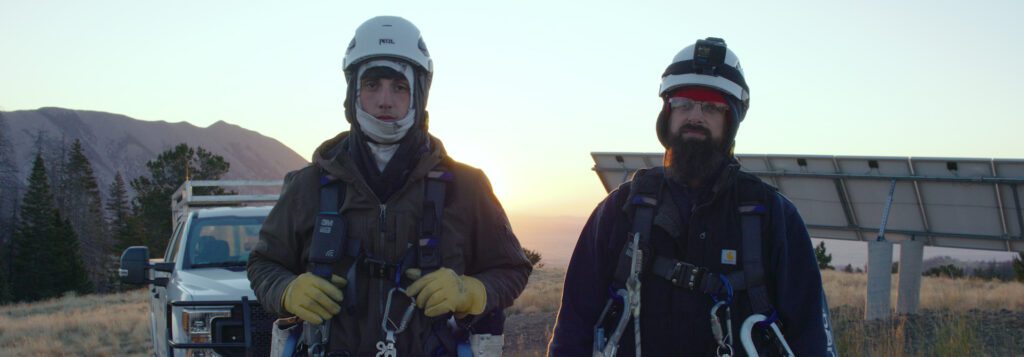
Climbing Higher to Keep You Connected When you make a call, stream a video, or check your GPS, you’re relying on a massive, invisible infrastructure that keeps you connected. Behind the scenes—and hundreds of feet in the air—are the men and women who make that connection possible: cell site tower climbers. This is not your average 9-to-5 job. It’s a career that requires skill, strength, and serious guts.   The Role: More Than Just Climbing Cell tower climbers are responsible for installing, maintaining, and repairing the antennas and equipment that power wireless communication networks. Their work directly supports everything from emergency 911 calls to streaming your favorite show. Typical tasks include: Installing antennas, radios, and fiber connections Running cables and securing hardware Diagnosing and fixing technical issues at the top of towers Upgrading equipment for faster, more reliable service (like 5G) Documenting site conditions and maintenance The Climb: Physical and Mental Demands Most towers range from 100 to 600 feet tall or higher. That means climbers must be in excellent physical condition—but that’s only half the story. They also need to be mentally sharp, calm under pressure, and laser-focused on safety.   Key traits of a successful tower climber: Fearless, but safety-first: You can’t be reckless or scared of heights. Safety is always the top priority. Technically skilled: Climbing is just the beginning—you also need to know your tech. Team-oriented: Most work is done in small crews that depend on each other for safety and success. Detail-driven: One mistake can cost lives or disrupt service. Precision matters. Training & Certification You don’t become a tower climber overnight. While some climbers start with a background in construction or electrical work, specialized training is essential. Reputable companies like Viaero Wireless and Industrial West Tower often provide in-house training or require certifications such as: OSHA 10/30: Occupational safety training RF Awareness: Understanding radio frequency hazards Tower Rescue and Climbing Safety: Including fall protection techniques CPR/First Aid Hands-on experience is critical—and usually the fastest path to growth in the field. The Reward: Purpose & Payoff Tower climbing is not for everyone, but for those who choose this path, it offers a deep sense of purpose and often competitive pay, especially as demand for faster networks like 5G grows. Many climbers say the view alone—standing on top of the world—makes it worth it.  It’s an office with a view. Final Thoughts Cell tower climbers are the unsung heroes of our modern world. They rise—literally—to the challenge so the rest of us can stay connected wherever we are. It’s a job that combines adrenaline, technology, and impact in a way few others can.   Thinking of Becoming a Tower Climber?Make sure you’re ready for the climb—and the responsibility that comes with it. Because in this line of work, every step matters. Do you have what it takes?  Please consider Viaero Wireless and Industrial West Tower to take your career to the next level. 
Insights

Choosing the Right Business Internet: A Breakdown of Your Best Options

Whether you’re running a small office, a mid-sized operation, or a large enterprise, the quality of your internet connection can make or break productivity, customer satisfaction, and your ability to scale. Not all internet services are created equal—especially when it comes to business use. Below, we compare the most common types of internet connectivity: Cable, Aerial Fiber, Underground Fiber, and Satellite. Speed & Performance Cable Internet: Offers fast download speeds, but upload speeds often lag—potentially impacting cloud backups or video conferencing. Aerial Fiber: Delivers symmetrical, ultra-fast speeds, which are essential for modern collaboration tools and high data transfers. Underground Fiber (Clear Winner): Like aerial fiber, it offers symmetrical, lightning-fast speeds—without the vulnerabilities of above-ground lines. Satellite: Often inconsistent with slower speeds and upload delays. Weather and distance to the satellite can also cause issues. Network Reliability Cable: Prone to slowdowns during peak hours and outages due to shared lines. Aerial Fiber: Reliable but can be affected by weather or physical damage to poles. Underground Fiber: Top-tier reliability, protected from the elements and physical interference. Satellite: Weather disruptions and signal delays are common. Scalability Cable: Best for small-scale operations. It struggles with bandwidth as demand increases. Aerial Fiber: A good middle ground for growing businesses in suburban or rural areas. Underground Fiber: The gold standard for businesses planning long-term growth or requiring robust data handling. Satellite: Not ideal for scaling due to limited bandwidth and high latency. Downtime & Risk Cable: Shared infrastructure increases chances of network slowdowns or downtime. Aerial Fiber: Some vulnerability to external elements, but more consistent than cable. Underground Fiber: Minimal risk thanks to redundant systems and buried infrastructure. Satellite: High downtime risk from weather and orbital issues. Uploads, Latency, and Security Upload Speeds: Only fiber (aerial and underground) offers symmetrical uploads. Latency: Underground and aerial fiber have the lowest latency—ideal for VoIP, remote desktops, and real-time collaboration. Security: Underground fiber offers the most secure setup. Cable and satellite connections are more vulnerable to breaches or service interruptions. Installation and Support Cable: Quick to install but may lack robust customer service or SLAs. Aerial Fiber: Takes more time, but most providers offer service-level guarantees. Underground Fiber: Slightly longer installation, but the payoff in reliability and performance is worth it. Satellite: Fast setup but limited by satellite alignment and geographic visibility. Best Fit By Business Type Cable Internet: Suitable for small offices with light internet use like email, web browsing, and cloud-based apps. Aerial Fiber: Ideal for mid-sized businesses needing reliable speeds and rural locations without underground infrastructure. Underground Fiber: The top choice for businesses that demand maximum uptime, security, and performance—perfect for healthcare, finance, data centers, and enterprise operations. Satellite: Best for extremely remote areas where no wired connection is available.   The Bottom Line When choosing the best internet connection for your business, think long-term. Underground fiber may require a moderate investment upfront, but it provides unmatched performance, scalability, and peace of mind. If you’re serious about growth, reliability, and staying ahead of the digital curve, the decision is clear. Looking for expert guidance on getting started with business-grade fiber internet? Contact our team today.

Insights

Keeping Kids Safe Online: What Every Parent Should Know (and the Tools That Help) 

In today’s connected world, our children have access to more information, people, and content than ever before. While the internet opens up opportunities for learning and growth, it also comes with real risks—cyberbullying, inappropriate content, online predators, and excessive screen time, just to name a few. As parents, it’s not about instilling fear—it’s about staying informed and empowered. Keeping kids safe online is an extension of how we keep them safe in the real world. That means understanding the risks, starting age-appropriate conversations, and using smart tools to monitor and guide their digital behavior. Why Online Safety Matters Children are growing up in a digital age where smartphones, social media, and gaming are part of daily life. But what may feel harmless to them—like chatting with new friends or exploring new apps—can quickly spiral into unsafe territory. Key risks include: Cyberbullying: Harassment and harmful behavior on platforms like Snapchat, Instagram, or messaging apps. Predators: Adults pretending to be peers to engage with children online. Inappropriate content: From violent videos to explicit material, much of the internet isn’t kid-friendly. Mental health: Constant exposure to curated lives and unrealistic standards can impact a child’s self-esteem and emotional wellbeing.   Tools That Can Help Parents Stay in the Know Fortunately, there are apps and devices that give parents greater visibility and control over their children’s digital lives—without being overly invasive.   Bark: Smarter Monitoring for ages 8 to 12 years of age Bark is an award-winning app that helps parents monitor texts, emails, YouTube, and 30+ social media platforms for signs of harmful content. It uses advanced AI to detect potential risks like: Cyberbullying Suicidal ideation Online predators Drug-related content Explicit messages and images Parents are alerted only when something potentially concerning is detected, allowing for privacy and trust, while still being proactive. Click here to learn more: Bark — Parental Controls for Families   Xplora X6 Playa Watch: Safe, Smart Connectivity for Young Kids For children ages 4 to 8 who aren’t ready for a smartphone, the Xplora X6 smartwatch offers a kid-friendly way to stay in touch—without opening the door to the internet or social media.   Key features include: Voice & Text Messaging: Only with parent-approved contacts. Real-Time GPS Tracking: Know your child’s location anytime, and set custom safety zones. SOS Button: Sends an immediate alert to parents if the child feels unsafe. Activity Tracker: Promotes movement and healthy habits with a fun step counter. School Mode: Limits functionality during class time to minimize distractions. Parent App: Easily manage settings, contacts, and alerts from your phone. The Xplora X6 gives younger children independence while giving parents peace of mind—making it a great first step into digital responsibility. Click here to learn more: Top-Rated Smart Watches for Kids | Xplora USA Other Helpful Tools: Google Family Link: Set screen time limits and approve app downloads. Apple Screen Time: Monitor and control time spent on devices. Life360: Keep track of your child’s location and driving habits. Empower, Don’t Just Restrict The goal isn’t just to lock down every device—it’s to teach our kids how to navigate the internet responsibly. Start the conversation early. Make digital safety a normal part of your parenting routine. Check in regularly and let your child know you’re a partner, not just a watchdog. Final Thought We wouldn’t let our kids walk alone down a dark alley. Let’s apply that same vigilance to their online lives. With smart tools like Bark and the Xplora X6 Watch—and open communication—you can help your kids explore safely, grow confidently, and avoid the dangers that come with being constantly connected.  Viaero Wireless offers both BARK and the Xplora X6 watch and more to safely keep you connected to those who matter most.

Scroll to Top